Web Design
Casa Carvalho
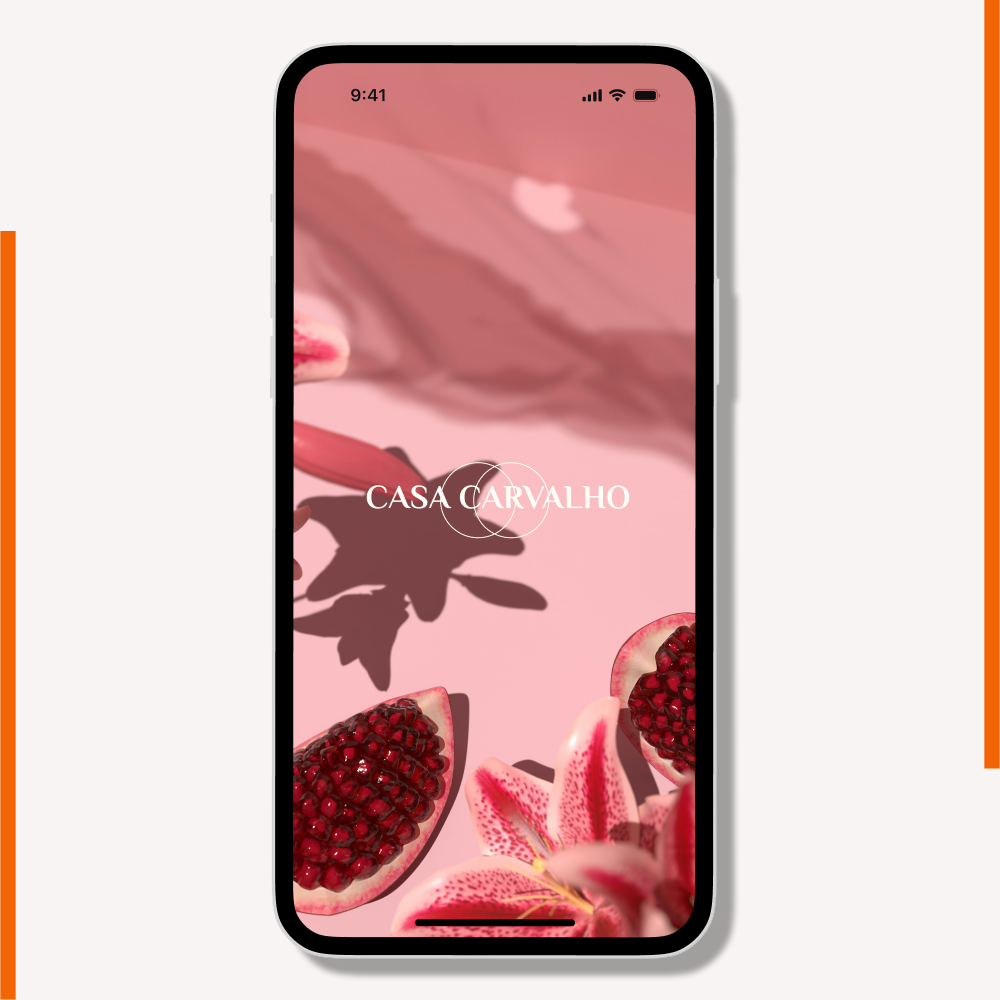
The Casa Carvalho app was designed to bring the elegance of our in-store experience to the digital world. As a brand celebrated for its handcrafted handbags and timeless design, we set out to create a mobile e-commerce platform that reflects our commitment to quality, exclusivity, and sophistication. With features like personalized recommendations, in-app messaging, and appointment booking, the app offers a seamless and refined shopping journey tailored to the modern luxury shopper.
Project Details
Location: Atlanta / Remote
Timeline: 2025 / 1 month
Role: UI/UX Designer, UX Researcher
Project Type: Fashion E-commerce App
Industry: B2C
Prototype: Casa Carvalho App Prototype


Creative Process
Every great design starts with understanding the user’s needs and the problem to be solved. Here’s how this project began.
Defining the Problem
Although Casa Carvalho had built a strong reputation for its handcrafted luxury handbags, its digital experience did not reflect the sophistication of the brand. Customers needed a more intuitive shopping journey, improved product discovery, personalized features, and a seamless checkout experience. The challenge was to design a mobile app that captured the brand’s elegance while meeting the expectations of today’s luxury shoppers.
Understanding the Users
Personas


User Interview Questions
- What factors influence people’s decision when purchasing a luxury handbag? (e.g., brand, craftsmanship, exclusivity, sustainability)
- Do they prefer purchasing luxury handbags in-store or online? Why?
- What digital experiences (e.g., virtual try-ons, personalized recommendations, live shopping events) would enhance their online shopping experience for luxury handbags?
- Have they used digital authentication tools (e.g., NFC chips, blockchain verification) to verify a luxury handbag’s authenticity? How important is this to them?
- What kind of digital VIP or personalized services would make them more loyal to a luxury brand?
Findings
Factors Influencing Purchase Decisions
- Users prioritized craftsmanship, exclusivity, and brand reputation, with sustainability, social media influence, and investment value also playing key roles in their luxury bag purchase decisions.
In-Store vs. Online Shopping Preference
- Users showed mixed preferences, some value in-store shopping for the tactile and personalized experience, while others prefer the convenience and social aspects of online shopping, including virtual appointments and social commerce platforms.
Digital Experiences to Enhance Online Shopping
- Users are excited by digital features like virtual try-ons, 3D product views, AI-powered recommendations, live shopping events, and even blockchain tracking, tools that make online luxury shopping more immersive, personalized, and informed.
Use of Digital Authentication Tools
- Users value digital authentication tools like NFC chips and blockchain verification to ensure product authenticity, especially for resale and investment purchases, with growing trust in tech-backed solutions from verified brands.
Preferred Digital VIP Services
- Users desire VIP digital services like early access to collections, personalized styling, exclusive events, resale partnerships, and luxury concierge support, blending exclusivity, convenience, and tailored experiences.
User Flows
I conducted interviews with five frequent app users from diverse backgrounds to uncover key pain points, generate potential solutions, and develop a detailed process flow. This helped me gain a deeper understanding of the user journey and the actions users take to accomplish their goals, laying the groundwork for a user-centered design approach.


Sketches
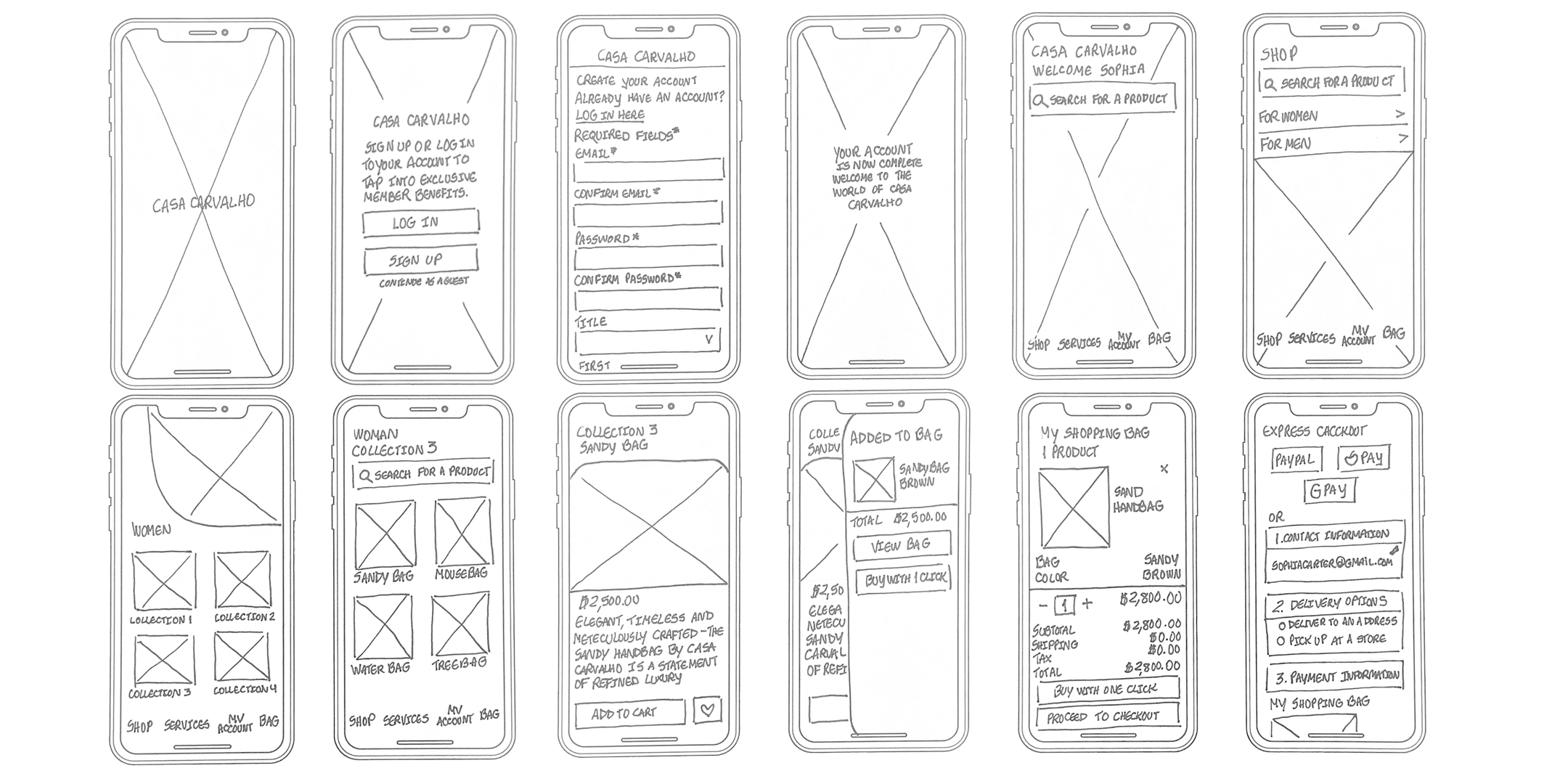
I began sketching early concepts of the app with a focus on accessibility and user-friendly navigation throughout the discovery and purchase journey. I considered each step—from browsing as a guest or creating an account, to exploring products, adding items to the shopping bag, completing a purchase, scheduling in-store appointments, and reaching out to customer support—ensuring the experience felt seamless and intuitive.
Wireframes
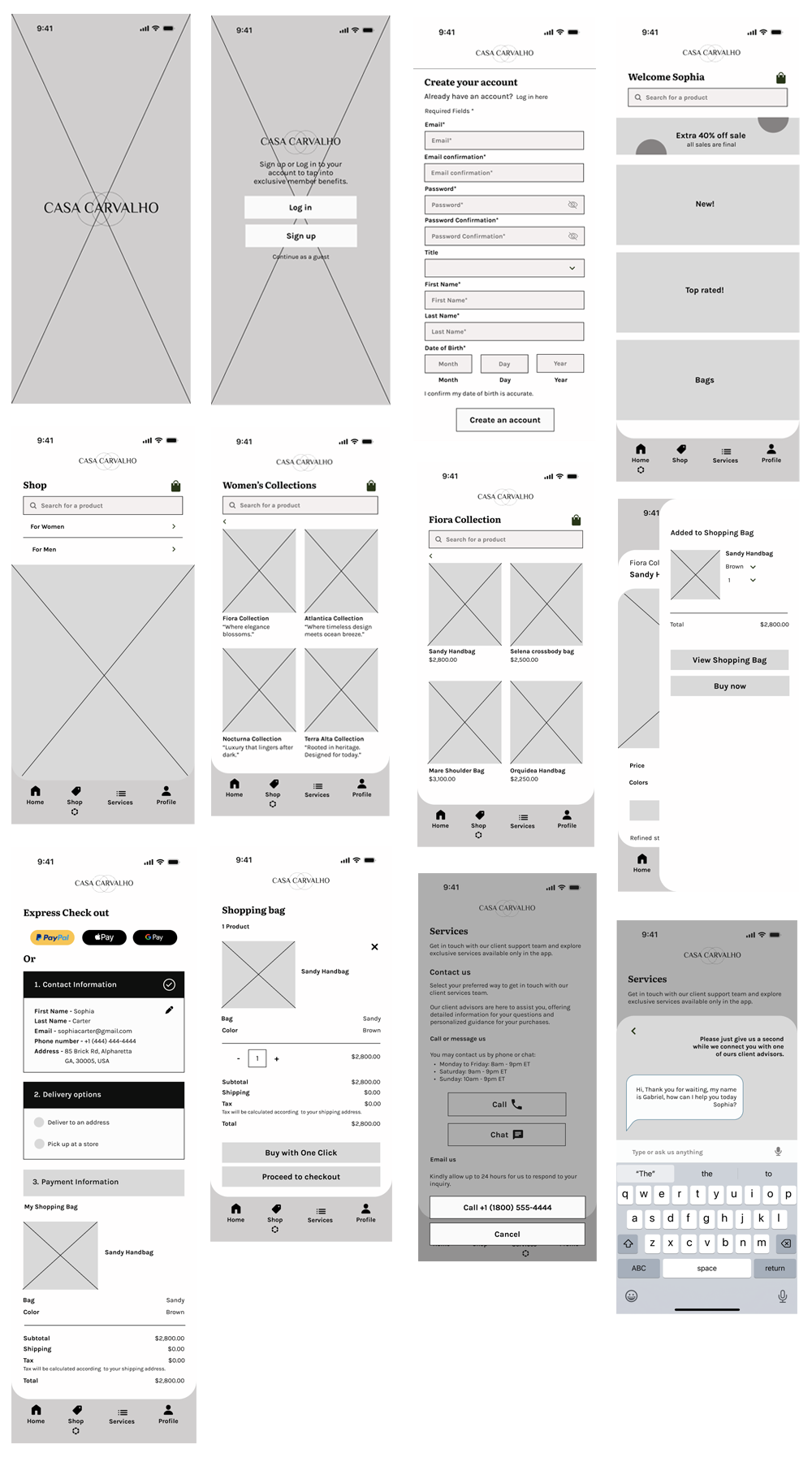
The wireframes established the app’s structure, defining the layout, content hierarchy, and user flow. Here are a few examples.
Building the brand idendity…
“Casa Carvalho is a luxury bag brand that blends timeless craftsmanship with contemporary elegance. Rooted in sophistication and inspired by the spirit of Brazil, we create exquisite, distinctive pieces for those who seek unparalleled style. Every Casa Carvalho bag embodies expert artistry, refined aesthetics, and a commitment to luxury that transcends trends—designed for those who appreciate the finest in fashion.”
“Designed for Those Who Define Luxury.”

Style Guide
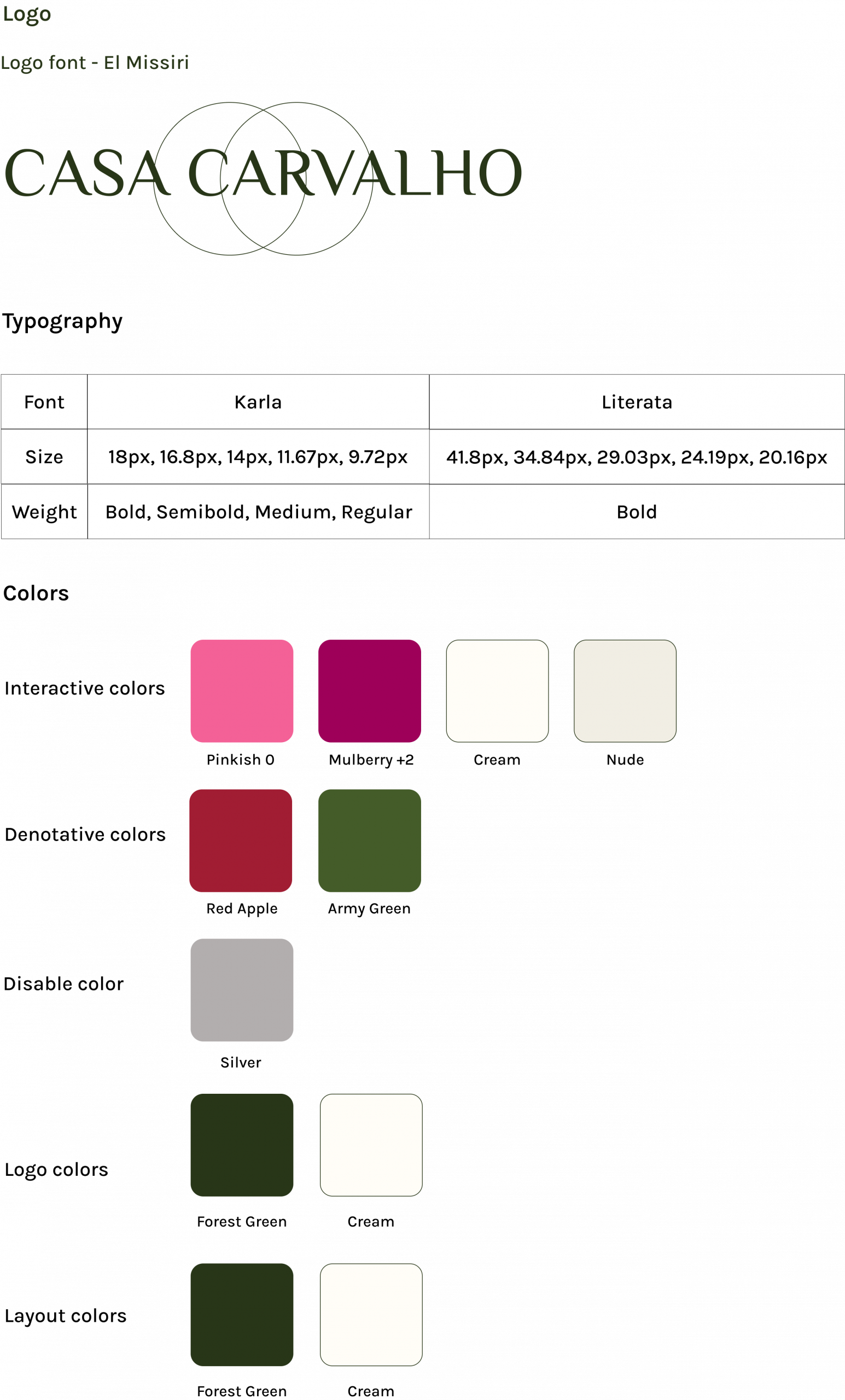
This is a small sample size of Casa Carvalho Style Guide…
Prototype
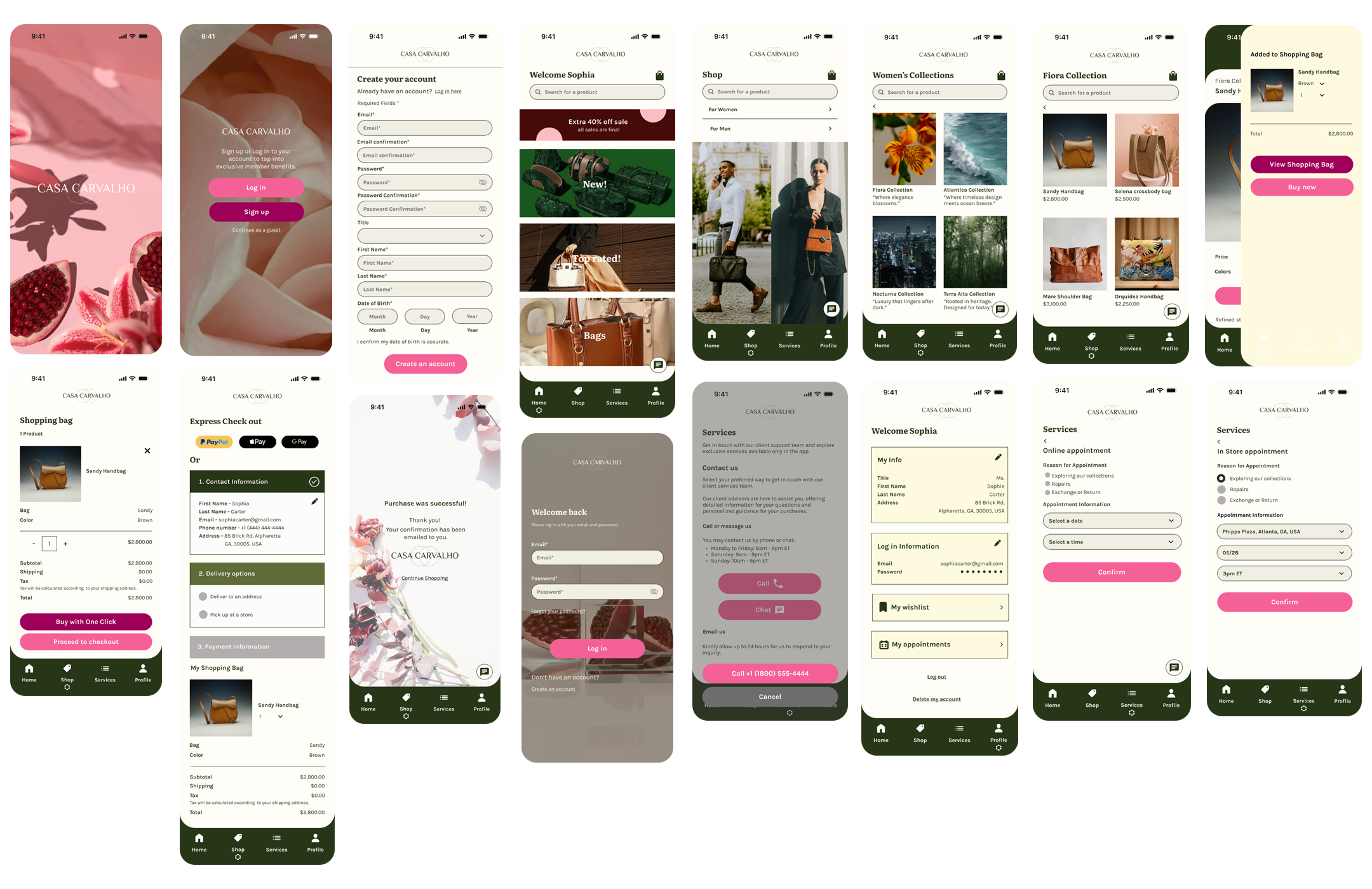
After completing the user research, personas, user flows, sketches, and wireframes, I moved into the high-fidelity design phase, creating an interactive prototype to validate the user experience. Below are a few of the prototype screens.
Usability Testing
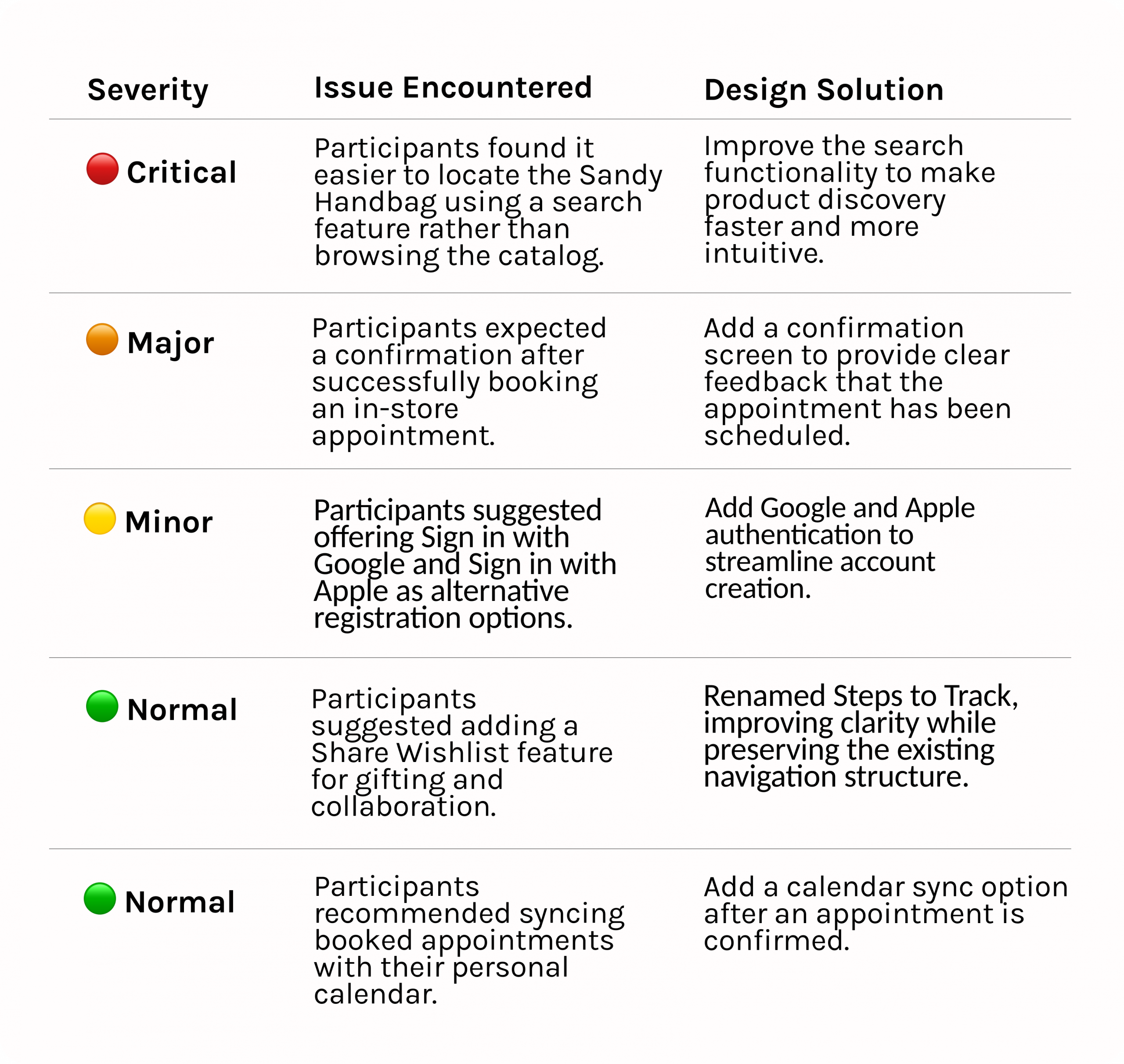
I conducted remote moderated usability testing with three participants, Jessica, Justin, and Mary, between the ages of 25 and 50, representing diverse professional backgrounds in architecture, law, and engineering. Participants completed six realistic tasks designed to evaluate the app’s usability, navigation, and overall shopping experience. These tasks included creating an account, searching for a product, adding an item to the shopping bag and beginning checkout, contacting the brand through in-app messaging, booking an in-store appointment, and saving products to a wishlist.
With the findings we got this Problem log:
Final Screens

Reflection
Designing the Casa Carvalho app strengthened my ability to balance luxury aesthetics with usability. Through user research and testing, I gained valuable insights into the expectations of luxury shoppers and the importance of creating intuitive, brand-consistent experiences. This project reinforced the value of iterative design, user feedback, and thoughtful decision-making in delivering a seamless shopping journey.
Interested in seeing more? Here are a few additional projects that showcase my design process, problem-solving approach, and experience creating user-centered digital products across different industries.